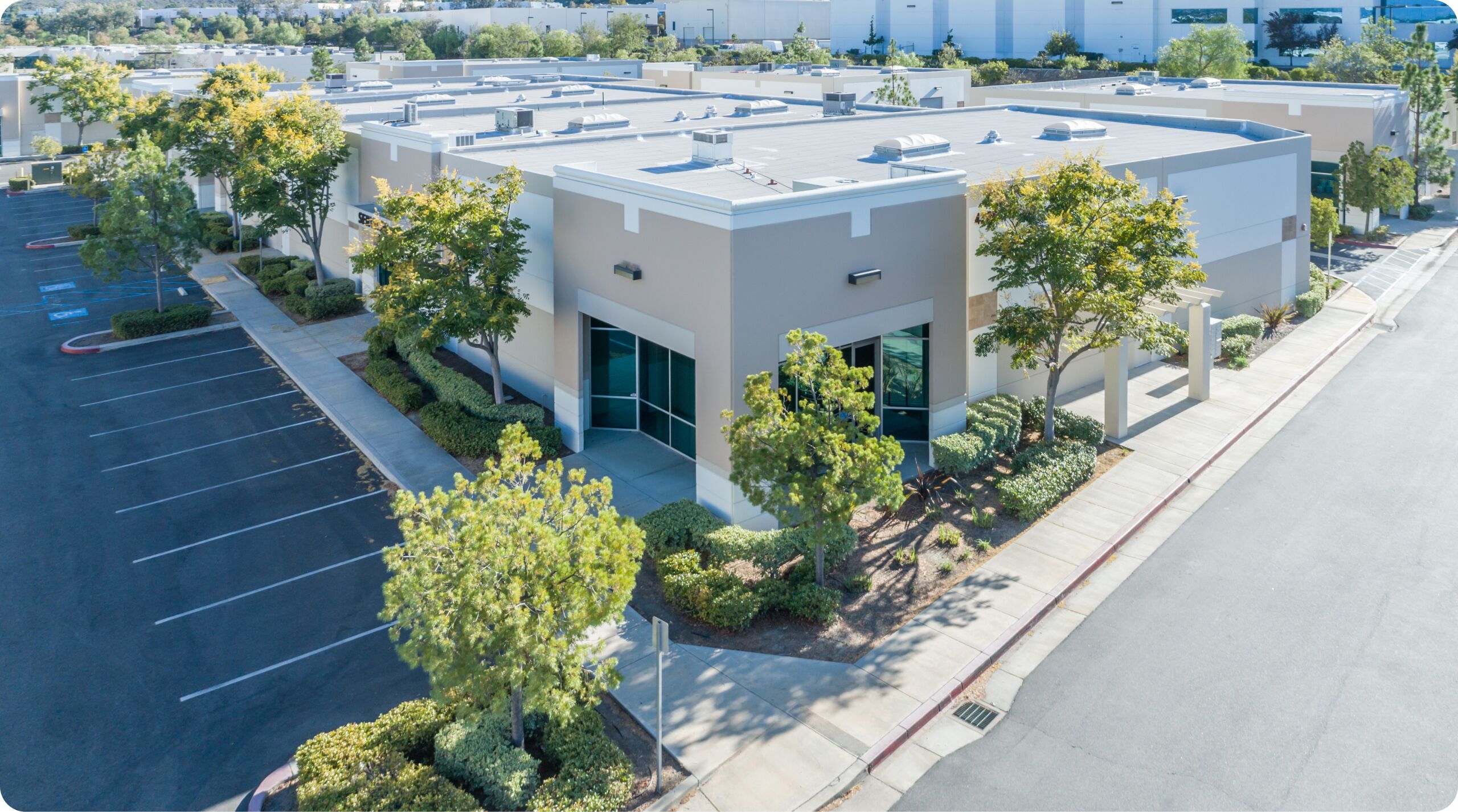
A commercial roof replacement is a different project than a residential reroof. The building keeps operating, the roof deck is usually flat or low-slope instead of pitched, and the paperwork trail often has to satisfy a property manager, a lender, or an insurance adjuster before a single panel goes down. At Indy Roof & Restoration, we work with business owners and property managers across Indianapolis on exactly this kind of project, and the same four questions come up on almost every one of them: when can the work actually happen, what system should replace what is there now, what documentation do you need before you can get budget approval, and who should you trust to run the job. This guide walks through each one.
Request a Commercial Roofing Consultation
- Talk through scheduling around your business hours
- Compare flat roof, EPDM, TPO, and metal systems
- Get a photo-documented inspection to support budget approval
1. Scheduling Has to Work Around Your Business, Not the Other Way Around
A homeowner can usually plan around a few days of noise and disruption. A business cannot always afford to close, reroute customers, or shut down a loading dock while a roof comes off. Before work starts, we walk through your operating hours, delivery schedules, and any events or peak periods you need to protect, so the replacement is sequenced around your business rather than against it. On flat and low-slope commercial roofs, sections can often be tarped and staged so that only the area under active work is exposed at any given time, which limits how much of the building is affected on a given day.
We are available 24/7, 365 days a year, including for emergency response such as tarping, sealing, or securing loose materials if a storm damages the roof mid-project or before a planned replacement even starts. That same around-the-clock availability means scheduling conversations, inspections, or urgent stabilization work do not have to wait for a Monday morning.
2. The Right System Depends on Your Roof, Not a Default Choice
Commercial buildings rarely have the same pitched, shingled roof you would see on a house. Most sit under a flat or low-slope roof, and the system that replaces it matters as much as the installation itself. We handle a range of commercial roofing systems, including flat roofing, EPDM roofing, and TPO roofing, along with metal roofing installation for buildings suited to it. Each of these systems behaves differently under Indiana weather, drains differently, and has different maintenance needs over its life, so the decision should be driven by your building's structure, drainage, and use, not a one-size answer.
This is also where a full inspection matters before any system gets chosen. We handle a range of roofing systems and document what we find with photographs, so the recommendation for EPDM, TPO, flat roofing, or metal is grounded in the actual condition of your roof deck and drainage, not a guess made from the parking lot.
If you want a closer side-by-side comparison of two of the most common commercial membrane options, our guide to EPDM vs. TPO commercial roofing systems covers that decision in more depth.
3. Documentation Is What Gets a Replacement Approved
Commercial roof replacements are rarely a single-signature decision. Someone, whether that is a business owner, a property management company, an insurance adjuster, or a lender, needs to see evidence before releasing budget for the project. Every inspection we perform is documented with photographs, and we provide a transparent reporting process so that what you bring to a budget meeting or an insurance claim is backed by images of the actual damage or wear, not just a verbal description.
If the replacement is being driven by storm, hail, or wind damage, that documentation does double duty. We also provide insurance claims assistance and manage insurance paperwork and communication on the client's behalf, which matters when a commercial claim has to pass through an adjuster who is deciding what your policy will and will not cover. If your commercial roof replacement is insurance-driven, our insurance claim assistance page walks through how that process works in more detail.
Financing is also part of the budget conversation for many commercial projects. We offer flexible financing options for clients with approved credit, though exact terms depend on eligibility and are not something we can quote without a conversation about your specific situation.
4. Who Runs the Project Matters as Much as What Gets Installed
A commercial roof replacement is only as good as the contractor managing it. Indy Roof & Restoration was founded in 2018 by Aaron Christy with the stated goal of raising the standard for roofing and exterior work in the Indianapolis area, and the company has maintained an A+ rating with the Better Business Bureau since that 2018 founding. We are also recognized as an Owens Corning Preferred Contractor and a Malarkey Certified Contractor, and the company cites 1,500+ five-star Google reviews on its homepage.
We describe our approach as installing full roofing systems rather than partial fixes, and correcting ventilation and drainage issues instead of cutting corners on them, which matters even more on a commercial roof where a partial fix can mean reopening a section of the building later. Our stated values are integrity over shortcuts, transparency at every step, accountability after the storm, education before pressure, and respect for your property, including debris containment and protecting landscaping around the building during the work. We also state that we do not chase storms; we build relationships with the commercial clients, property managers, real estate agents, and insurance partners we work with across the Indianapolis area.
Frequently Asked Questions
What should I know before replacing a commercial roof?
Scheduling around business hours, system choice such as EPDM, TPO, or metal, and documentation for budget approval are all key considerations we walk through with commercial clients.
If you are weighing a full commercial roof replacement, whether it is driven by age, storm damage, or an upcoming insurance claim, the first step is an inspection you can actually see documented. From there we can talk through system options, a schedule that works around your business, and what documentation you will need for budget or insurance approval.